
Choreographing Connection
Choreographing Connection is Lynn Panting’s professional practice blog, offering reflections on her artistic work and the arts sector at large. Through her lens as a director, choreographer, and intimacy professional, she shares think pieces, resources, strategies, and insights that speak to the evolving landscape of the performing arts.
Director Overview & Pre-Meeting Notes for Scenes with Intimacy
I approach intimacy direction as both a creative and logistical practice. The goal is always to serve the story while protecting the people telling it.
What is Intimacy Direction?
Intimacy direction supports storytelling in moments involving sensual contact, simulated sex acts, hyper-exposure, nudity, and other intimate content in live performance by ensuring the work is:
Clear in intention
Clearly choreographed
Repeatable for performance
Built through a collaborative process
Sustainable over the course of a production
Like dance choreography or fight direction, intimacy direction brings structure and artistry to intimate material.
My Approach to Intimacy Direction
There is no single way to approach this work. Every production, story, and group of performers brings different needs, boundaries, experience levels, and creative goals.
My work is grounded in:
Clear storytelling
Performer agency and autonomy
Practical, repeatable choreography
Collaboration and communication
Professional working practices
I approach intimacy direction as both a creative and technical practice. The goal is always to serve the story while supporting the people telling it.
How I Work
I begin by identifying the function of the intimate moment within the story and translating that into choreography that aligns with both the artistic vision and performer boundaries.
Some performers prefer to build choreography step-by-step. Others are more comfortable exploring movement within clearly established parameters. My role is to facilitate a process that meets the needs of the performers and production while maintaining clear expectations and professional standards.
Regardless of how material is developed, all intimate content is ultimately:
Clearly choreographed
Repeatable in performance
Grounded in performer agency and consent
The process may vary. The expectation of repeatable choreography does not.
What You Can Expect
A professional, harassment-free working environment
Clear communication around intimate content
Collaboration with performers, directors, stage management, and the design team
Choreography that supports both storytelling and performer agency
Practical tools for maintaining consistency throughout the rehearsal and performance process
Before We Meet
If useful, consider:
What function does this intimate moment serve in the story?
What is your vision for the scene?
Are there specific actions, levels of nudity, or moments of physical contact that you would like to see?
What tone or audience experience are you hoping to create?
How do you typically like to work with collaborators?
What rehearsal time is available for this material?
Next Steps
We'll meet to:
Discuss the needs of the production
Explore your vision for the intimate content
Identify any logistical or creative considerations
Actor Overview & Pre-Meeting Notes for Scenes with Intimacy
Our initial call is a chance to get to know each other and talk through the work in a clear and supported way.
What is Intimacy Direction?
Intimacy direction supports storytelling in moments involving sensual contact, simulated sex acts, hyper-exposure, nudity, and other intimate content in live performance.
Like dance choreography or fight direction, intimacy direction brings specificity and repeatability to this work. Intimate moments are choreographed and rehearsed so performers can focus on storytelling rather than negotiating boundaries during performance.
The work is:
Clear in intention
Clearly choreographed
Repeatable for performance
Built through collaboration
Sustainable throughout the rehearsal and performance process
What You Can Expect
A professional, respectful working environment
Clear communication around intimate content
Collaboration and transparency throughout the process
Choreography that supports both storytelling and performer agency
Space to ask questions, offer input, and communicate boundaries
How the Work Happens
We begin by discussing the needs of the scene and the story being told.
Every performer works differently. Some people prefer to build choreography step-by-step. Others are more comfortable exploring movement within clearly established parameters before setting choreography. The process may vary depending on the needs of the performers and production.
Regardless of how material is developed, all intimate content is ultimately:
Clearly choreographed
Repeatable in performance
Grounded in performer agency and consent
Working Together
Agency
You have agency in your participation. Your boundaries help shape the work.
Communication
You are encouraged to communicate boundaries, preferences, concerns, and questions throughout the process. You are never required to explain or justify a boundary.
Collaboration
Intimacy direction is a collaborative practice. Your experience, insight, and creativity are valuable parts of the process.
Professional Context
The rehearsal room is a workplace. Physical contact exists within the context of the story and the work being created.
Ongoing Consent
Consent is an ongoing part of the process. Check-ins and adjustments are welcome.
Before We Meet
You may wish to consider:
Do you have a preferred way of approaching this type of work?
Are there boundaries or considerations you already know you would like to communicate?
Do you have questions about the material?
Do you have questions about the process?
Our First Conversation
Our initial conversation is an opportunity to get to know one another and discuss the work in a clear, collaborative way.
We'll talk about:
The context of the scenes
Your preferences, boundaries, and working style
Any questions or concerns you may have
The process that will best support both you and the production

What Is an Intimacy Director and What Should You Expect in the Rehearsal Room?
As someone who primarily works in theatre, I often get questions like:
"What exactly is an Intimacy Director?"
"Do I need one for my show?"
"What can actors and directors expect from that process?"
This blog is a guide to how Intimacy Direction works in live theatre, and what it can look like for actors, directors, stage managers, designers, and producers.

As someone who primarily works in theatre, I often get questions like:
"What exactly is an Intimacy Director?"
"Do I need one for my show?"
"What can actors and directors expect from that process?"
This blog is a guide to how Intimacy Direction works in live theatre, and what it can look like for actors, directors, stage managers, designers, and producers.
What Is an Intimacy Director?
An Intimacy Director (ID) supports the creation of intimate content for live performance. This may include:
Kissing and physical intimacy
Simulated sex or nudity
Scenes involving sexual violence or coercion
Other intimacy-adjacent moments requiring specialized support
Like a fight director or movement director, an Intimacy Director helps create clear, repeatable choreography in service of the story. They work collaboratively with performers, directors, stage management, and other members of the creative team to support performer agency, facilitate communication, and establish a shared understanding of the work.
An Intimacy Director is both an advocate and a creative: helping artists tell the stories they want to tell while ensuring intimate content is approached with preparation, clarity, and care.
What Happens in Rehearsal?
Director Conversations
The Intimacy Director meets with the director to understand the story being told, the purpose of the intimate content, and the desired tone of the scene. Together, they discuss the physical actions required, production considerations, and the overall vision for the work.
Performer Conversations
The Intimacy Director meets with the performers involved to discuss boundaries, answer questions, and gather information that will help shape the choreography. These conversations help establish a shared understanding of the work before physical staging begins.
Choreographing Intimacy
Like dance or stage combat, intimate moments are choreographed. The Intimacy Director works collaboratively with performers and the creative team to create clear, repeatable choreography that supports the story while respecting established boundaries.
Rehearsal and Performance Support
As the work develops, the Intimacy Director continues to support the process through rehearsal. They may refine choreography, respond to changes in staging, and coordinate with departments such as costumes, stage management, and design regarding modesty garments, barriers, masking, and other production considerations.
The Intimacy Director is also present for technical rehearsals to ensure the choreography remains clear, supported, and aligned with the needs of the production as it moves into performance.
Why Use an Intimacy Director?
An Intimacy Director is both an advocate and a creative collaborator. Their work helps productions:
Support performer agency
Foster clear communication
Create repeatable choreography
Tell stories with greater specificity and intention
Build sustainable rehearsal and performance practices
Intimacy direction is not about limiting storytelling. It is a creative practice that helps artists tell difficult, complex, and deeply human stories with clarity and care.

Intimacy Coordination for TV & Film: What to Expect
Although my intimacy practice is mostly grounded in live theatre, I do occasional work in film and television and I’m often asked: What exactly does an Intimacy Coordinator do on a film set?
This blog is a simple, straightforward guide to answer that question. Whether you’re a producer, director, actor, or just curious about best practices, here’s an overview of how intimacy coordination works on screen.

Although my intimacy practice is mostly grounded in live theatre, I do occasional work in film and television and I’m often asked: What exactly does an Intimacy Coordinator do on a film set?
Whether you’re a producer, director, actor, or just curious about best practices, here’s an overview of how intimacy coordination works on screen.
The protocols shared here are based on guidance from SAG-AFTRA, ACTRA, and IDC (Intimacy Directors and Coordinators), which have set the industry standard for working with scenes involving nudity, simulated sex, or emotionally vulnerable content.
What Is an Intimacy Coordinator?
An Intimacy Coordinator (IC) is a trained professional who supports the creation of intimate content in film and television. They work collaboratively with performers, directors, producers, and other departments to facilitate clear communication, informed consent, and repeatable choreography in scenes involving nudity, simulated sex, or other intimate interactions.
Like a stunt coordinator or fight director, an IC helps plan, choreograph, rehearse, and oversee intimate content in service of the story. They are both an advocate and a creative: supporting performer agency while collaborating with the creative team to tell the story being asked of the scene. Their role helps establish clear expectations, foster professional communication, and ensure intimate moments are approached with preparation, care, and artistic intention.
Before Filming: What Happens?
Director Meetings
The IC meets with the director to:
Review the script and identify scenes requiring intimacy support
Discuss the story being told through the intimate content
Clarify the desired tone, emotional beats, and level of physical intimacy
Understand how the scene will be filmed, including camera angles, coverage, and technical considerations
Review production timelines and any logistical factors that may impact the work
Establish a collaborative process for communication throughout rehearsals and filming
Performer Check-ins
Each actor involved in an intimate scene will meet privately with the IC to:
Go over the scene in plain terms
Talk through personal boundaries and preferences
Learn about modesty garments, barriers, and privacy measures
Ask questions or voice concerns
Nudity & Simulated Sex Riders
For scenes involving nudity or simulated sex, a written agreement (rider) outlines exactly what’s been agreed to. These must be:
Finalized and approved by the actor (and/or their agent)
Delivered at least 48 hours before shooting
Signed before the scene is filmed
Wardrobe & Makeup Coordination
The IC consults with wardrobe and makeup teams to ensure all modesty wear, prosthetics, and coverings are available and fitted respectfully.
On Set: What to Expect
Check-Ins
Before rehearsals or filming, the IC meets with the performers involved to confirm boundaries for the day, answer questions, and discuss any updates or adjustments that may impact the work.
Choreographed Rehearsal
Intimate contact is never improvised. The IC helps choreograph every intimate beat, just like blocking a dance or fight. The goal is clarity, consistency, and comfort.
Closed Set Protocols
On the day of filming:
Only essential personnel remain on set
No visitors, cell phones, or extra monitors
Actors are covered immediately after each take
The IC stays close by to check in and adjust as needed
After Filming: Privacy & Protection
Once the scene is shot:
Footage is labeled “Restricted Access” and only available to essential editing staff
All material is stored securely and used only for the intended production
Creating Conditions for Your Best Work
When an Intimacy Coordinator is on set, you can expect:
Respectful working conditions
Clear communication
Creative solutions that support both the story and the people telling it
Actors can focus on their performance without second-guessing their safety. Directors and producers get reliable, repeatable results. And the work ultimately becomes stronger, safer, and more sustainable.

Tools for Expressing Discomfort in Rehearsal or Performance
In any rehearsal or performance involving intimacy, physicality, or emotional vulnerability, it’s important to have clear and accessible ways to express discomfort.
Consent is a Practice and is Always Revocable
In any rehearsal or performance involving intimacy, physicality, or emotional vulnerability, it’s important to have clear and accessible ways to express discomfort. The following outlines several verbal, non-verbal, and post-scene tools that you can use to communicate your boundaries at any time. These options can be used alone or in combination, and you are always encouraged to propose your own.
Verbal Tools
These phrases are designed to pause or adjust the action in a neutral, respectful way.
“Can we pause?”
“Hold.”
“I need a break.”
“I’m at capacity.”
“That’s a no for me.”
“I need to step out.”
Verbal Stoplight System
The meaning of each colour must be discussed and agreed on in advance.
Green – All good
Yellow – Proceed with caution / I’m unsure
Red – Stop immediately
Non-Verbal Tools
These are helpful when speaking isn’t possible or if you're in the middle of a scene.
Hand Raise
“Time Out” Signal
Hand to Floor
Silent Step Back
Stop and Drop
Post-Rehearsal Tools
Boundaries can shift. You don’t have to speak up in the moment to be heard.
Private Check-Ins: One-on-one conversations before or after rehearsal.
Written Communication: Text or email if verbal communication feels too difficult.
Scheduled Debriefs: Built-in time to reflect with the intimacy professional or director.
You Are Not Alone
Your safety, autonomy, and comfort are essential. You never need to explain or apologize for expressing a boundary. Consent is always revocable.
You can change your “yes” to a “no” at any time.

Creating Connection: The Special Handshake for Intimacy Scene Partners
By creating a unique ritual, intimacy scene partners can foster a deeper bond, navigate the emotional demands of their work with greater ease, and bring authenticity to the relationships they portray on stage.
Romeo and Juliet, Shakespeare by the Sea, 2023
Intimacy Direction and Choreography: Lynn Panting
When it comes to intimacy direction, fostering trust and connection between scene partners is essential. These relationships often require a level of vulnerability and collaboration that goes beyond standard rehearsals. While tapping in and tapping out are excellent boundary-setting practices, introducing a personalized ritual, like a special handshake, can add an extra layer of connection, support, and intention.
A special handshake is a small, private ritual shared exclusively between intimacy scene partners. Done before and after intimacy rehearsals and at the top and tail of performances, this gesture acts as a grounding mechanism, a signal of mutual respect, and a boundary between self and character.
Why Create a Special Handshake?
Builds Trust and Connection
A unique handshake is a shared moment that belongs solely to the scene partners. It fosters a sense of camaraderie and mutual care, reinforcing the trust necessary to explore vulnerable material.
Creates a Sense of Safety
The ritual serves as a physical reminder that both partners are entering a safe, consensual space. It anchors performers in the present moment and provides a tangible way to signal readiness and mutual support.
Sets Intention
Performing the handshake before a scene or rehearsal allows partners to set a shared intention for their work, whether it’s focusing on honesty, collaboration, or mutual care. Ending with the handshake helps partners transition out of the scene, returning to their personal selves.
Reinforces Closure
After an intimate scene or performance, the handshake provides a sense of closure, helping performers separate their character work from their own emotions and experiences.
How to Create a Special Handshake
Collaborate on the Gesture
The handshake should be co-created by both partners to ensure it feels meaningful and authentic. Discuss what elements they’d like to include, it can be as simple as a high 10, or as elaborate as a choreographed sequence.
Make It Unique
The handshake doesn’t have to look like a traditional handshake. It could involve fist bumps, finger snaps, a high five, or any other gestures that feel right to the partners. The key is that it’s unique.
Keep It Intentional
Even if the handshake is playful, it should be performed with intention. This is a tool for connection and grounding.
Practice Together
Before integrating the handshake into rehearsals and performances, practice it a few times together. This helps solidify the movement and ensures it becomes second nature.
Use It Consistently
The handshake should bookend every intimacy rehearsal and performance. Its consistency reinforces its purpose and helps create a reliable routine.
When to Use the Special Handshake
Before Intimacy Rehearsals
Perform the handshake to signal that both partners are ready to enter the rehearsal space and engage in the work.
After Intimacy Rehearsals
Use the handshake as a way to close the session, ensuring both partners feel supported as they transition out of the work.
Before Performances
The handshake becomes a grounding ritual before stepping on stage, reinforcing trust and connection in the moments leading up to the performance.
After Performances
End the show run with the handshake to acknowledge the shared effort and return to your personal selves.
Benefits for Performers and Productions
Strengthened Bonds: The handshake deepens the connection between partners, making their onstage chemistry more authentic.
Emotional Resilience: Rituals like this help performers process and separate their character work from their personal lives.
Professionalism: A special handshake demonstrates the care and intentionality that intimacy direction brings to a production.
Audience Impact: When performers feel connected and safe, it shows in their work, resulting in more compelling and authentic storytelling.
A special handshake is a commitment to trust, care, and collaboration. By creating a unique ritual, intimacy scene partners can foster a deeper bond, navigate the emotional demands of their work with greater ease, and bring authenticity to the relationships they portray on stage.

Why Consent Culture Benefits Every Rehearsal Room
Integrating consent-based practices doesn’t just prevent harm—it enhances artistry, deepens collaboration, and fosters a healthier, more sustainable creative environment.
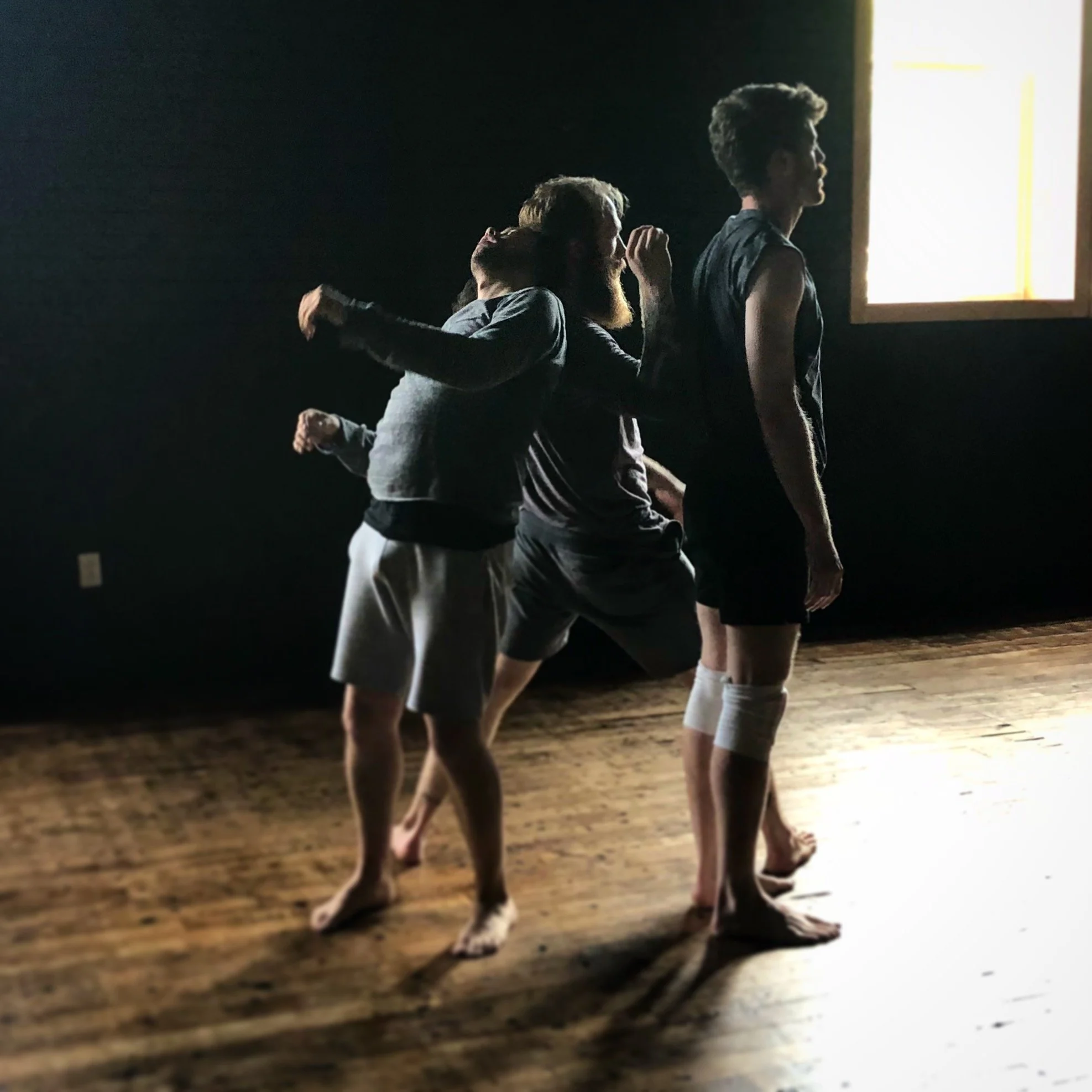
Pursuit rehearsal, 2020
The rehearsal room should be a place of exploration, collaboration, and trust. Yet, for too long, the performing arts have relied on outdated models of direction that prioritize hierarchy over dialogue, often leaving performers feeling unheard, unsafe, or uncertain about their boundaries.
Enter consent culture: a framework that prioritizes clear communication, mutual agreement, and respect for personal boundaries.
While often discussed in the context of intimacy direction, consent culture is valuable for every aspect of the rehearsal process.
Integrating consent-based practices doesn’t just prevent harm, it enhances artistry, deepens collaboration, and fosters a healthier, more sustainable creative environment.
How Consent Culture Strengthens the Creative Process
Consent Encourages More Confident Performers
When performers know their boundaries are respected, they take more risks. Instead of shutting down when they feel uncomfortable, they engage fully, leading to more authentic performances.
It Builds a Rehearsal Room Based on Trust, Not Power
Historically, some directors and choreographers have used authority to demand compliance. Consent culture shifts the focus from power to partnership, ensuring that artists feel like collaborators rather than instruments.
It Fosters Better Communication and Artistic Clarity
Establishing consent culture means normalizing check-ins, clarifying expectations, and making room for dialogue. This prevents misunderstandings, allowing everyone to work more efficiently and creatively.
It Reduces Harm and Prevents Long-Term Injury
From a physical standpoint, forcing bodies into movement without consent leads to injury. From an emotional standpoint, ignoring boundaries can cause burnout and trauma. In both cases, consent culture prioritizes longevity over short-term results.
It Creates a More Inclusive, Accessible Rehearsal Room
Not every performer moves or experiences space the same way. A consent-based space makes room for individual bodies, voices, and lived experiences rather than imposing a rigid, one-size-fits-all approach.
Practical Ways to Build a Consent-Based Rehearsal Room
Here’s how to implement it in everyday rehearsals:
Normalize asking for consent: “Can I adjust your arm placement?” should be as natural as saying, “Let’s take that from the top.”
Use boundary check-ins: A quick “How’s everyone feeling about this?” before and after intense work ensures performers aren’t carrying discomfort into the next scene.
Offer opt-in/opt-out language: Instead of “We’re all doing this exercise,” try “Would you like to participate, modify, or observe?”
Give performers agency: Allow them to suggest solutions when something feels off rather than dictating what they should endure.
Lead by example: Directors set the tone. If they model consent culture, the whole room follows.