
Tools for Emotional Regulation: Supporting Balance in Dance and Life
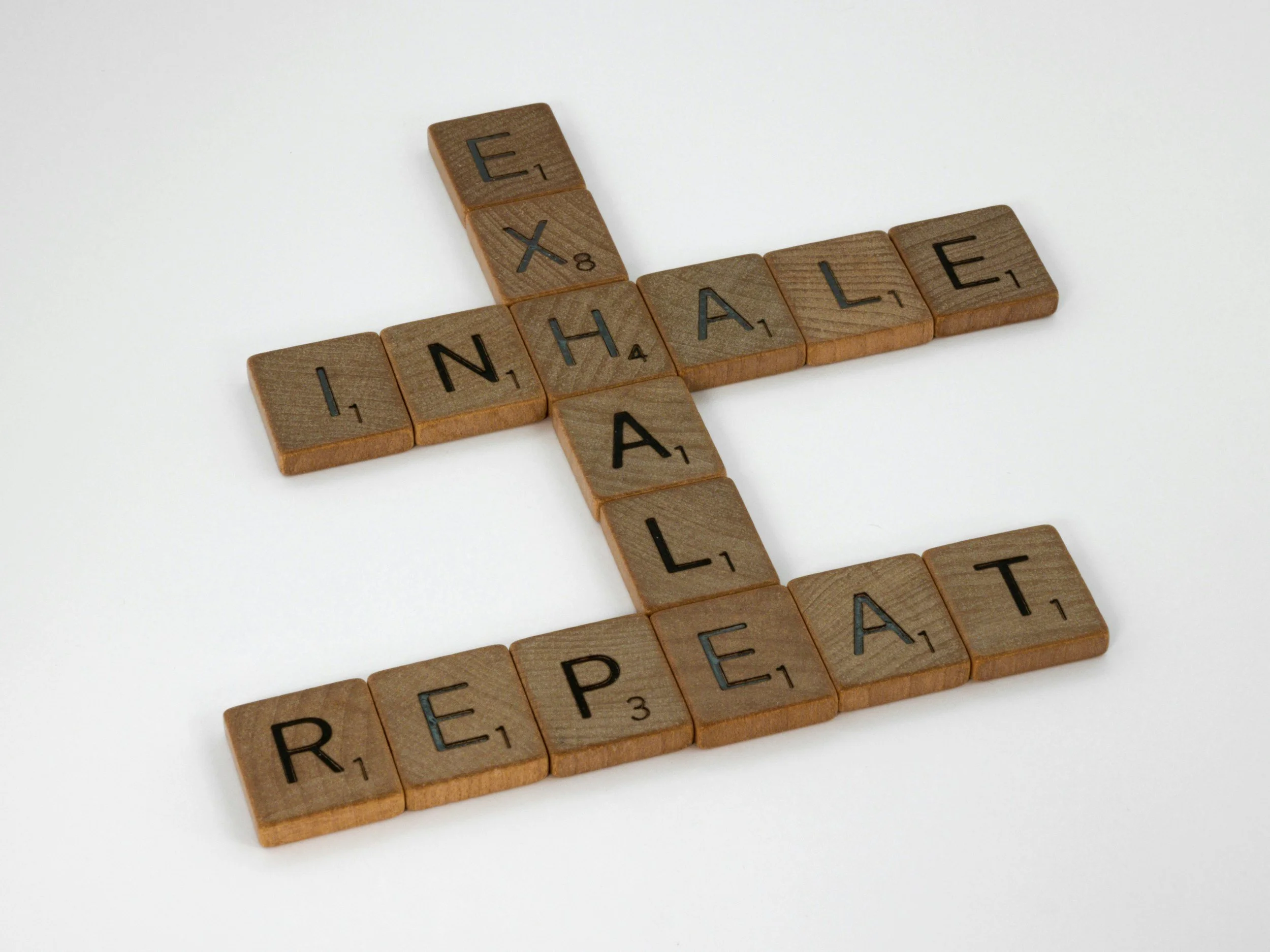
Emotions are a big part of being human, and having the tools to manage those emotions is essential.
Emotional regulation is the ability to recognize, understand, and handle your feelings effectively, helping you stay grounded and focused.
Here are some practical tools for dancers and their families to help manage emotions, stay balanced, and thrive in every part of life.
Breathwork
Breathing is one of the simplest and most powerful ways to manage emotions because it directly impacts how our bodies respond to stress.
Belly Breathing: Take slow, deep breaths, letting your belly expand as you inhale and deflate as you exhale. This helps calm your body and mind before a performance or after a tough day.
Box Breathing: Inhale for four counts, hold for four counts, exhale for four counts, and hold again for four counts. This method is great for calming nerves before stepping onto the stage.
Long Exhales: If you’re feeling anxious, try extending your exhale longer than your inhale. It signals your body to relax.
Grounding Techniques
When emotions feel overwhelming, grounding techniques can help you refocus and stay present.
5-4-3-2-1 Method: Identify five things you see, four things you feel, three things you hear, two things you smell, and one thing you taste. It’s a great way to calm down and get back in the moment.
Feel Your Feet: Take a moment to stand still and notice the feeling of your feet connecting with the ground. This simple action creates a sense of stability and balance.
Hold an Object: Keep a small, comforting object in your dance bag, like a smooth stone or soft piece of fabric. Focusing on its texture and feel can help ease nerves.
Movement
For dancers, movement is already a natural way to process emotions. Use it to your advantage!
Stretch It Out: Gentle stretching not only helps your body recover but also releases tension and promotes relaxation.
Walk It Off: A simple walk, especially outdoors, can help clear your head and regulate your mood.
Shake It Out: Shake your arms, legs, or whole body for 30 seconds to release stress and reset your energy.
Journaling
Writing can be an excellent tool for processing emotions and gaining clarity.
Free Writing: Spend a few minutes writing down whatever comes to mind without worrying about structure or grammar. This can help release emotional clutter.
Emotion Tracking: Keep a journal where you write about your feelings, especially after rehearsals or performances. This can help you notice patterns and find what works for you.
Gratitude Journal: Write down a few things you’re grateful for each day. Gratitude can shift your focus from stress to positivity.
Not a writer? Try freehand drawing or colouring. Create a collage or photo journal. Leave yourself a voice note.
Mindfulness and Meditation
Mindfulness is about staying present and accepting your emotions without judgment.
Body Scan: Focus on each part of your body, noticing where you feel tension. Breathe and mindfully relax those areas.
Guided Meditations: Apps like Calm or Headspace offer short meditations designed to help with focus and relaxation.
Creative Expression
Dancers are artists, and creative expression is a natural way to process emotions.
Dance Freely: Put on your favourite music and let your body move however it feels. No choreography, no pressure!
Draw or Write: Express how you’re feeling through art, whether it’s sketching, painting, or writing poetry.
Make Music: If you play an instrument or enjoy singing, let yourself create without judgment.
Connection with Others
Sometimes, the best way to handle emotions is to lean on the people around you.
Talk It Out: Share your feelings with a trusted friend, family member, or teacher. Sometimes, just being heard is enough.
Find Your Team: Being part of a dance group or class creates a sense of belonging. Share your challenges and victories with your dance family.
Seek Support: If emotions feel too big to handle, talking to a professional can help.
Recognize Triggers and Patterns
Understanding what affects your emotions can help you prepare and respond more effectively.
Notice Your Triggers: Keep track of moments when you feel stressed or upset, and think about what caused those feelings.
Plan Ahead: If you know certain situations make you nervous (like auditions or performances), practice grounding techniques beforehand.
Be Kind to Yourself: Remember that everyone has emotional ups and downs. It’s okay to feel what you’re feeling.
Rest and Recharge
Sometimes, the best thing you can do is take care of yourself.
Sleep Well: Good sleep is key to emotional balance. Aim for 7-9 hours whenever possible.
Nourish: Fuel your body with nutritious meals and snacks to support your energy and mood.
Take Breaks: Whether it’s relaxing at home or taking a day off from dance, rest is essential for recovery and balance.