To Work or Not To Work, That is the Question.
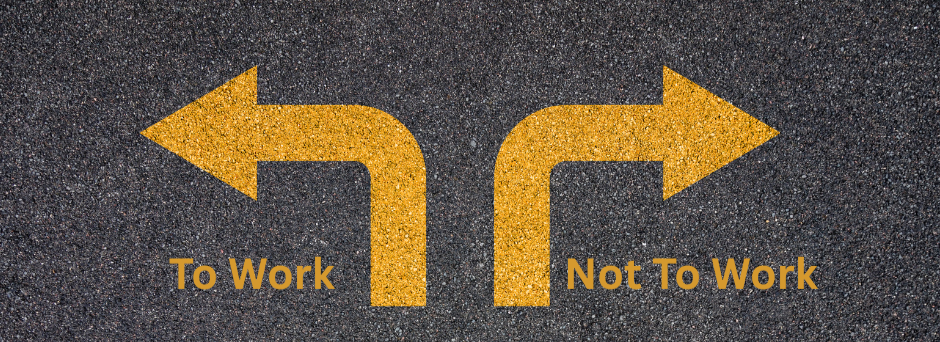
What do you do when the choice is to work for free, or not work at all?
It’s the reality many artists and arts workers are navigating right now and we are not really talking about it.
Inflation is real.
Funding has been reduced or frozen.
We are in a recession.
And yet, expectations haven’t shrunk. Seasons are still being planned. Programs are still being announced. Deliverables remain the same, even as resources contract.
No one wants to shrink. No one wants to feel like a failure. Artists don’t want to stop making work, myself included. Funders don’t want to fund less “impact”. So instead of contraction being addressed , it gets absorbed by artists and arts workers.
For many of us, art is not simply a job, it is a calling.The impulse to create does not disappear just because funding does.
And that’s where things get complicated. Because when art is something you would do anyway, paid or not, the line between choice and coercion becomes very thin.
When the options are work for free or don’t work at all, is that really a choice?
Many of us take the work. We waive fees. We accept sliding scale. We underpay ourselves so others can be paid. We do it because the work matters. Because we believe in access. Because we believe in community. Because we don’t want to be the reason a project doesn’t happen.
And in isolation, those choices can feel generous.
But at scale, they become structural.
Unpaid and underpaid labour is quietly filling the gap left by shrinking resources. The result is an industry that appears to be thriving, while the people inside it are increasingly exhausted, financially strained, and stretched past sustainability.
I would like to name the reality that many artists are subsidizing the arts with their own lives.
With their time.
With their health.
With work they are more than qualified to be paid fairly for, work that would be paid fairly in almost any other sector.
And yet, because art is a calling, because dedication is normalized, this labour becomes invisible.
We need to be able to talk about this tension without shame: the truth that many artists will continue to make work even when conditions are untenable and that this very devotion is being relied upon, whether intentionally or not, to keep the system running.
I would love more transparency from organizations about their struggles and how they are managing to maintain their output.
I would love for funders to acknowledge that current funding structures contribute to an arts ecosystem that rewards financial privilege.
I offer that we have to talk openly about scale, compensation, and contraction. That we recognize that shrinking budgets cannot keep being absorbed by invisible labour.
In general we should talk more about what is really going on.