Choreographing Connection
Choreographing Connection is Lynn Panting’s professional practice blog, offering reflections on her artistic work and the arts sector at large. Through her lens as a director, choreographer, and intimacy professional, she shares think pieces, resources, strategies, and insights that speak to the evolving landscape of the performing arts.

Movement as an Emotional Catalyst
In performance, movement acts as an emotional catalyst, bridging the gap between the performer and the audience. It communicates what dialogue cannot, often leaving a deeper, more visceral impact.
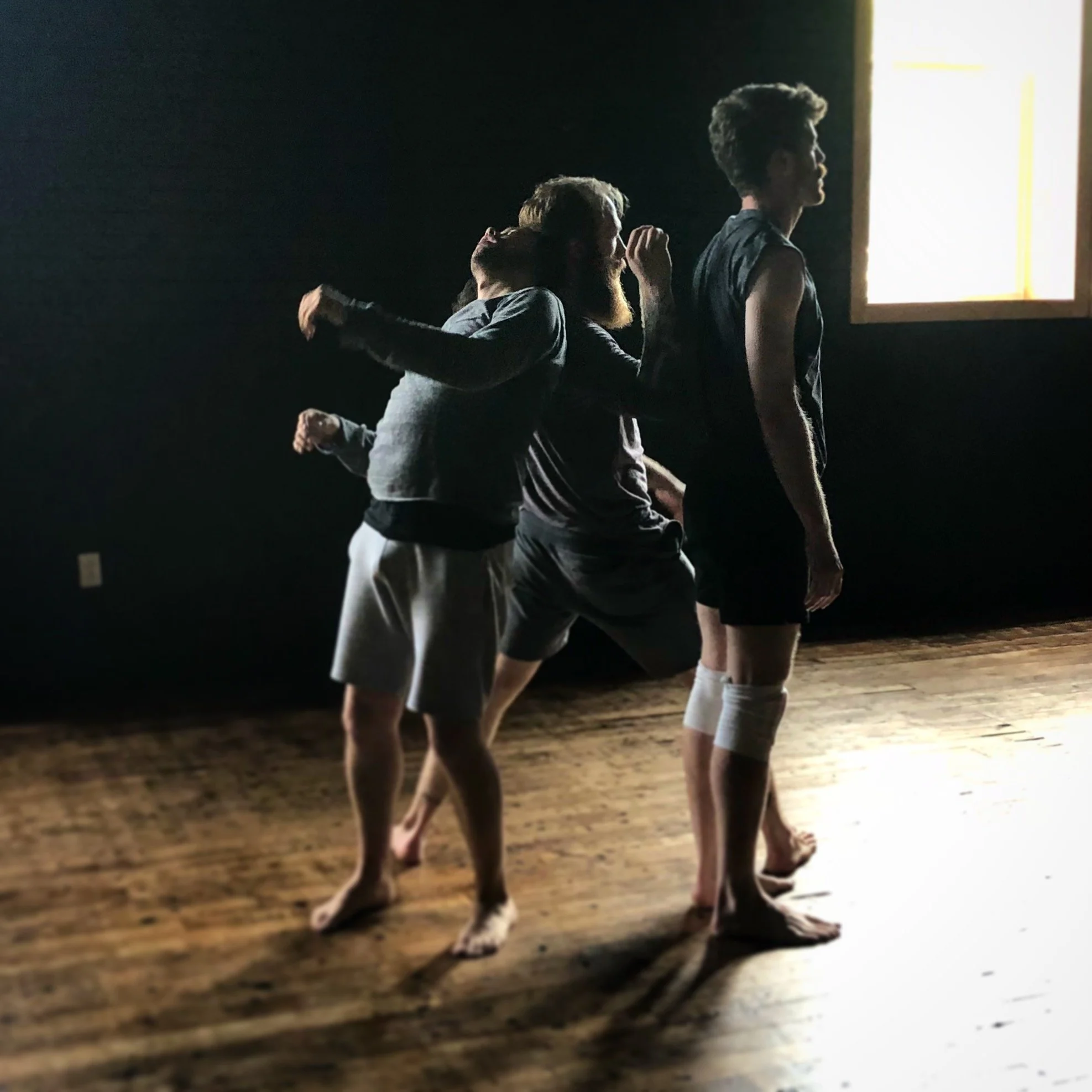
Kevin Woolridge, Pursuit Rehearsal, 2020
When words fail, movement steps in. The way we move carries a weight that transcends language. In performance, movement acts as an emotional catalyst, bridging the gap between the performer and the audience. It communicates what dialogue cannot, often leaving a deeper, more visceral impact.
The Universality of Emotional Movement
Before we learn to speak, we communicate through our bodies. A baby’s outstretched arms convey a need for comfort, while a toddler’s stomping feet display frustration. These instinctual movements remain with us throughout life, forming a universal language of emotions.
In the arts, this universal truth is amplified. A performer’s movement can evoke feelings of joy, sorrow, anger, or hope in ways that words alone cannot. Whether it’s the grace of a dancer’s leap, the tension in an actor’s clenched fists, or the vulnerability of a character collapsing to the ground, these physical expressions resonate on a deeply human level.
Movement and Empathy
One of the most profound effects of movement is its ability to generate empathy. When we watch someone move, we instinctively mirror their emotions in our own bodies. This phenomenon, known as mirror neuron activation, is why we cringe when we see someone fall or feel exhilarated when a performer executes a triumphant move.
In storytelling, movement can create a visceral connection between the audience and the characters. A dancer’s trembling hands might evoke fear or hesitation, while an actor’s slow, deliberate walk may convey grief. By engaging the audience’s emotions through physicality, performers draw viewers into the narrative, making them active participants in the story.
Movement as a Tool for Performers
For performers, movement is not just a way to express emotions but also a way to access them. Physicality can unlock emotions buried deep within, helping actors or dancers connect with their characters on a visceral level. A performer preparing for a scene of grief might start by embodying heaviness, moving slowly and deliberately to mirror the weight of sorrow.
This technique, often used in actor training and movement workshops, demonstrates the symbiotic relationship between emotion and movement. One feeds the other, creating a loop that amplifies both.
The Audience’s Role
The beauty of movement as an emotional catalyst is that it invites interpretation. Each audience member brings their own experiences and emotions, finding personal meaning in the performance. A single gesture might evoke nostalgia in one viewer, sadness in another, and hope in yet another.
This shared yet individual experience is what makes movement so profound. It connects us, even as it allows us to feel uniquely seen.

How Movement Shapes Storytelling
Movement is more than an accessory to storytelling, it is its own language, capable of conveying what words cannot.
The Mirror, Persistence Theatre, 2021
Movement Direction, Intimacy Direction: Lynn Panting
When we think of storytelling, we often focus on words: the dialogue in a play, the lyrics of a song, or the narration of a film. But storytelling doesn’t live solely in language. Movement carries its own narrative weight. In dance, theatre, and film, physicality is a powerful tool that deepens emotional resonance, reveals character, and creates unforgettable moments.
Movement as an Emotional Catalyst
Think of a dance performance where the movement itself conveys longing, joy, or despair. Without a single word, the story unfolds as the performers' bodies create shapes that echo the audience’s emotions. In theatre and film, physical gestures amplify the spoken word, grounding the story in an embodied reality. A trembling hand can betray a character’s fear, while a confident stride signals determination.
These moments of physical expression resonate because they connect to something primal in us, a shared understanding of how bodies communicate. Long before we spoke in words, we spoke in movement, and this universal language remains integral to storytelling.
Revealing Character Through Movement
The way a character moves says as much about them as their dialogue or costume. Is their posture rigid, signalling tension or formality? Do they glide with ease, suggesting confidence?
Movement directors collaborate with actors to shape these physical identities. Each gesture helps to paint a fuller picture of who the character is and how they navigate their world.
Dance, too, has long been a medium for storytelling, where physicality replaces dialogue entirely. A duet might tell the story of a love affair, the push-and-pull of the choreography echoing the complexities of the relationship. Solos often serve as monologues, revealing inner turmoil or transformation through motion.
Enhancing Narrative Structure
Movement doesn’t just support storytelling, it can define it. In film, the camera often focuses on the smallest physical details: a tear rolling down a cheek or the twitch of a finger. These choices anchor the audience in the moment, heightening tension or providing relief. In theatre, transitions can be wordless but filled with meaning, where actors' movements between scenes become part of the narrative fabric.
In dance, the structure of a piece is often entirely reliant on physicality. Movements ebb and flow like a symphony, creating a rhythm that mirrors the peaks and valleys of a story. Whether abstract or literal, dance uses the body to lead audiences on an emotional and narrative journey.
Movement in Ensemble Storytelling
One of the most striking ways movement shapes storytelling is through ensemble work. In both theatre and dance, groups of performers moving together or in contrast can create a visual representation of relationships, societal structures, or collective emotions. A chaotic, overlapping group scene can portray conflict or confusion, while synchronized movement might evoke unity or shared purpose.
The Power of Stillness
Sometimes, the absence of movement is the most powerful choice. A dancer pausing mid-routine draws the audience’s focus, creating a moment of tension or reflection. On stage or screen, a character’s stillness amidst chaos can speak volumes, underscoring their internal state or making a subtle but impactful statement.
The Intersection of Disciplines
What makes movement so versatile is its ability to transcend disciplines. A theatrical monologue gains depth when paired with purposeful gestures. A film scene becomes iconic when movement fills the frame with meaning. Dance combines movement and music to evoke emotions beyond what words alone can achieve.
By blending these elements, creators harness the full potential of movement to shape and enhance storytelling. Movement is more than an accessory to storytelling, it is its own language, capable of conveying what words cannot.

Movement and Intimacy Direction
With a commitment to inclusivity, safety, and innovation, my work empowers artists to explore their craft with confidence and authenticity.
Dylan Brentwood and Lynn Panting, Sidewalk Duets, 2013
As a professional movement and intimacy director, I specialize in creating safe, respectful, and meaningful connections on stage and screen. With expertise in choreography, ensemble-building, and storytelling through physicality, my work fosters trust, consent, and collaboration in every project.
This Blog will explore topics such as:
The Role of Intimacy Direction: Why it’s essential in modern performance.
Building Trust and Connection: Exercises for creating a cohesive cast.
Movement as Storytelling: How physicality shapes powerful narratives.
Boundaries in the Creative Process: Supporting performers in vulnerable moments.
With a commitment to inclusivity, safety, and innovation, my work empowers artists to explore their craft with confidence and authenticity.