
The Rise of Movement Theatre: What It Means for Rehearsal Rooms
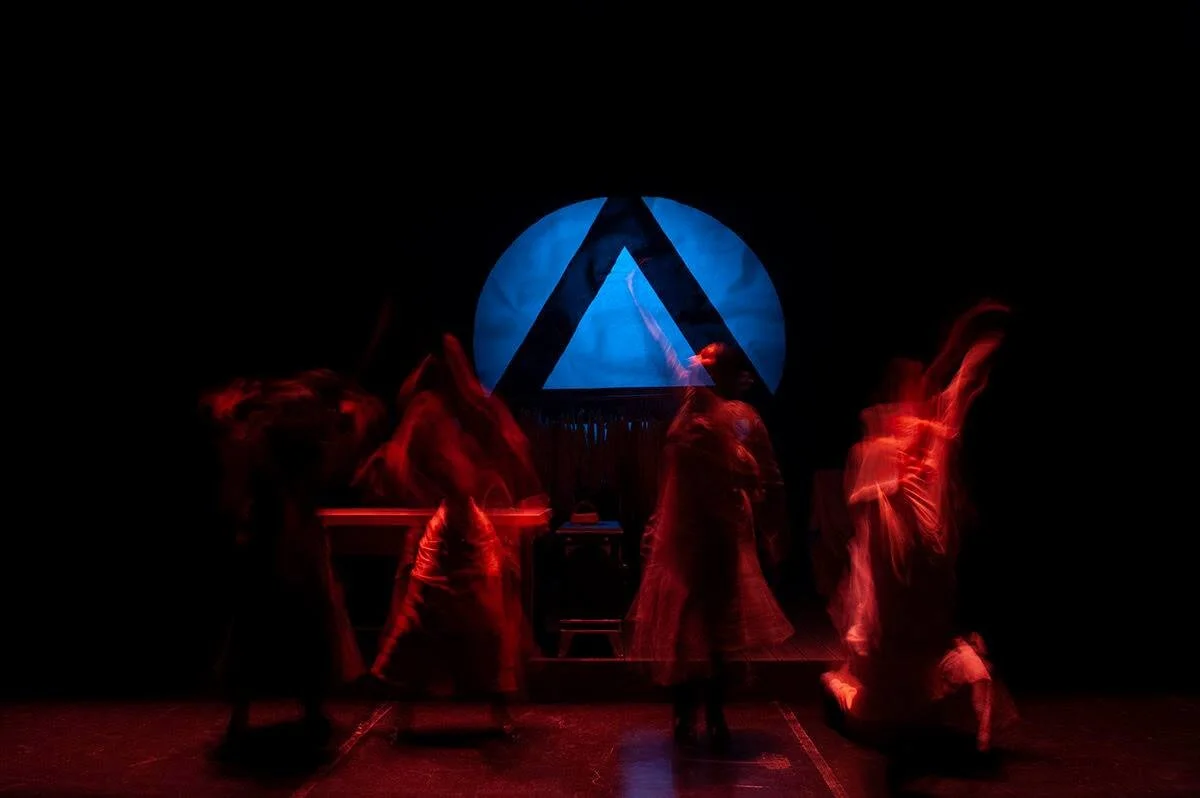
Remnants, White Rooster, 2019
Movement Direction: Lynn Panting
Photo by Vaida Vaitkute Nairn
There’s a welcome shift happening in the performing arts: movement is having a moment. From full-length dance theatre works to plays with carefully integrated choreography, physical storytelling is becoming central to how we make meaning onstage.
I’m thrilled to see more dance and movement-based work in rehearsal rooms and on stages. But as this shift happens, I want to offer a few reflections, particularly for those who are new to movement-rich processes or just beginning to integrate physical storytelling into their work.
Dance Takes Time
Movement isn’t filler, it’s form. And it demands time. While a page of text might take an hour to rehearse, a single minute of choreography can take several hours to generate, teach, and refine. Movement needs repetition. It needs to land in the body. And that means your rehearsal calendar needs to reflect that reality from the start.
Shared Vocabulary Matters
You may be working with artists from diverse training backgrounds: someone with a ballet degree, another from a clowning background, someone else with a theatre or musical theatre foundation. All are valid. All can enrich your piece. But without a shared vocabulary, you risk misalignment.
Ensemble-building becomes essential to establish common ground in how the body is used, read, and responded to in the work.
Creative Leadership Counts
Another essential consideration is leadership. Does your director have a background in dance or a working movement vocabulary? Are they open and collaborative with a movement director or choreographer?
Directors don’t need to be movement experts, but they do need to respect and support the process. When leadership is dismissive of the physical score, or simply unaware of what it takes to build it, the work suffers. Good creative leadership creates space for movement to thrive as a core element of storytelling, not as an afterthought.
Adjust Your Expectations
The standard “48-hour week” model doesn’t translate cleanly to movement work. Especially if the cast is new to this process. You’ll need to build in time for proper warm-up, cool-down, hydration, and rest. You may need to adjust how you tech the show to protect performers physically. Movement-based work requires a trauma-informed and stamina-aware approach, one that considers not just time in the room but the toll that time takes on the body.
One Size Does Not Fit All
It’s essential to sit down and assess the needs of your specific production at every stage. There is no universal rubric. Is the piece five minutes or ninety? Is it fully choreographed or loosely scored? What is the cast’s movement experience? What are the physical and emotional demands of the work? Are shoes, costumes, or set pieces going to affect how the piece moves and will they be needed earlier than in traditional theatre processes? Can you build in rest breaks during rehearsal and during the show itself? What backstage supports are needed to make the process safe and successful? What first aid resources are necessary? These questions deserve attention, not as afterthoughts but as part of the production plan from day one.
We are in a moment where audiences are increasingly hungry for the visceral, for the felt.
Dance and movement theatre meet that moment beautifully, but only when the process honours what this form requires.
Let’s be ready for it.