
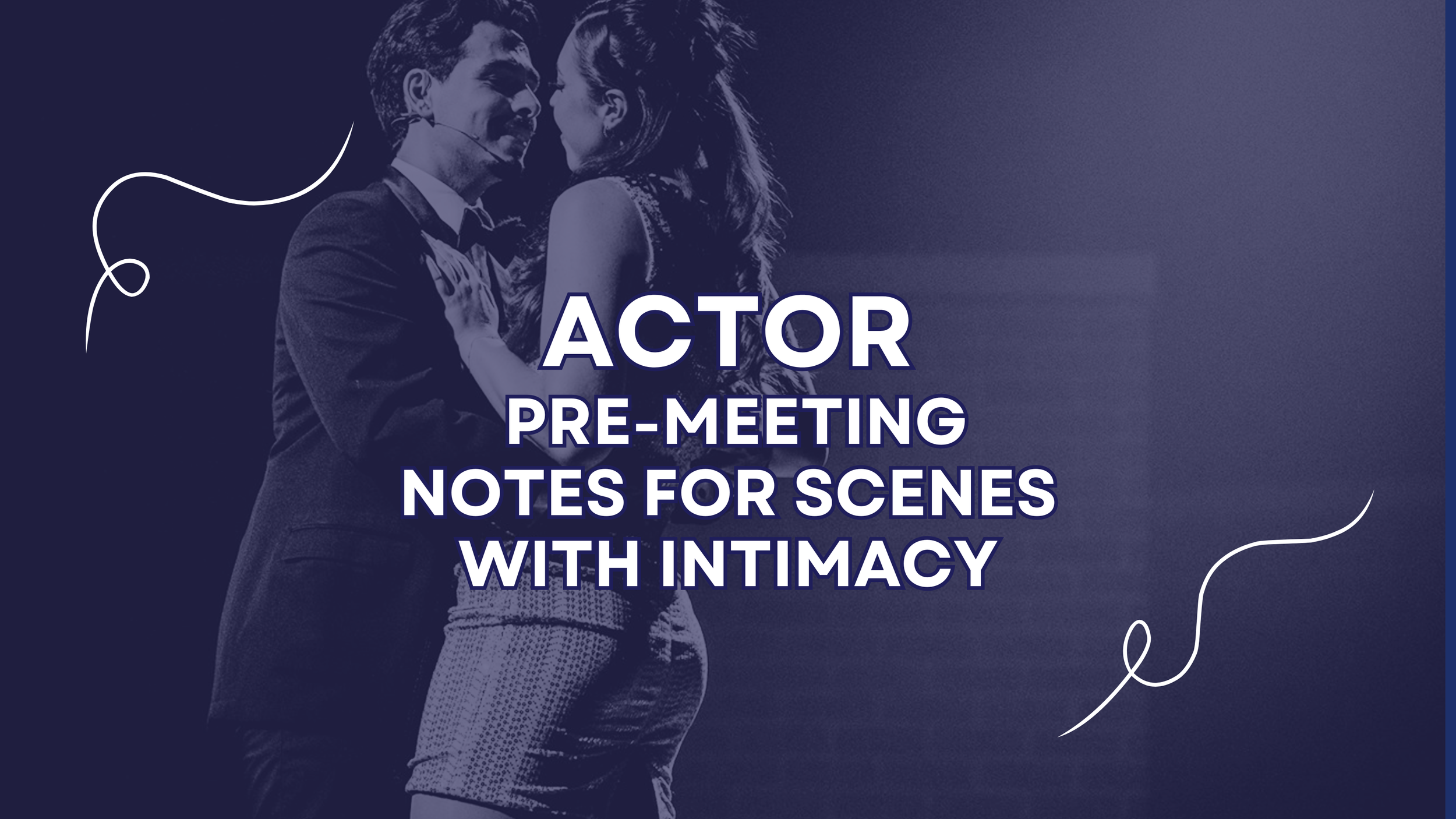
Actor Overview & Pre-Meeting Notes for Scenes with Intimacy
What is Intimacy Direction?
Intimacy direction supports storytelling in moments involving sensual contact, simulated sex acts, hyper-exposure, nudity, and other intimate content in live performance.
Like dance choreography or fight direction, intimacy direction brings specificity and repeatability to this work. Intimate moments are choreographed and rehearsed so performers can focus on storytelling rather than negotiating boundaries during performance.
The work is:
Clear in intention
Clearly choreographed
Repeatable for performance
Built through collaboration
Sustainable throughout the rehearsal and performance process
What You Can Expect
A professional, respectful working environment
Clear communication around intimate content
Collaboration and transparency throughout the process
Choreography that supports both storytelling and performer agency
Space to ask questions, offer input, and communicate boundaries
How the Work Happens
We begin by discussing the needs of the scene and the story being told.
Every performer works differently. Some people prefer to build choreography step-by-step. Others are more comfortable exploring movement within clearly established parameters before setting choreography. The process may vary depending on the needs of the performers and production.
Regardless of how material is developed, all intimate content is ultimately:
Clearly choreographed
Repeatable in performance
Grounded in performer agency and consent
Working Together
Agency
You have agency in your participation. Your boundaries help shape the work.
Communication
You are encouraged to communicate boundaries, preferences, concerns, and questions throughout the process. You are never required to explain or justify a boundary.
Collaboration
Intimacy direction is a collaborative practice. Your experience, insight, and creativity are valuable parts of the process.
Professional Context
The rehearsal room is a workplace. Physical contact exists within the context of the story and the work being created.
Ongoing Consent
Consent is an ongoing part of the process. Check-ins and adjustments are welcome.
Before We Meet
You may wish to consider:
Do you have a preferred way of approaching this type of work?
Are there boundaries or considerations you already know you would like to communicate?
Do you have questions about the material?
Do you have questions about the process?
Our First Conversation
Our initial conversation is an opportunity to get to know one another and discuss the work in a clear, collaborative way.
We'll talk about:
The context of the scenes
Your preferences, boundaries, and working style
Any questions or concerns you may have
The process that will best support both you and the production